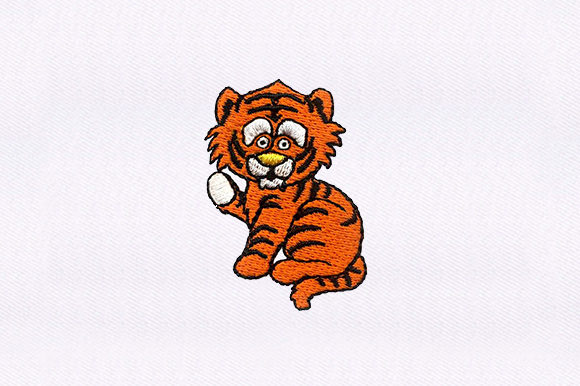
Baby Tiger Embroidery Review
As an experienced embroidery designer preparing for a weekend craft fair, I recently came across the Baby Tiger machine embroidery design. With its charm and versatility, it stands out as a potential favorite for a wide range of handmade products. This review focuses on how well Baby Tiger performs in real-world applications, from tote bags to patches, and whether it can be a standout feature at your next market booth.
First Impressions of Baby Tiger
The moment I saw the Baby Tiger design, I was struck by its cute and soft aesthetic. It has that perfect balance between playful and elegant, making it suitable for both young children and adults who appreciate whimsical details. The design feels premium without being overly complicated, which is a big plus when considering its use on various fabrics.
Performance Across Craft Fair Products
Baby Tiger shines on a variety of items, including:
- Tote Bag Design: The design adds a charming focal point to canvas or cotton tote bags, making them more appealing to buyers looking for unique shopping accessories.
- Apron Embroidery: When stitched onto aprons, Baby Tiger becomes a delightful accent that draws attention and adds personality to kitchenware.
- Tea Towel Embroidery: On linen or cotton tea towels, the design maintains clarity and softness, offering a cozy touch to everyday home goods.
- Embroidered Patch: As a patch, Baby Tiger works beautifully on jackets, backpacks, or denim items, providing a small but impactful detail.
- Fabric Pouches: Small pouches or market bags with this design feel personalized and special, making them great for gifting or selling at a premium price.
- Pillow Covers: On decorative pillows, the design brings a sense of warmth and playfulness to any room.
- Handmade Gifts: Whether stitched on cards, bookmarks, or keychains, Baby Tiger adds a personal and thoughtful touch.
Selling and Production Considerations
When evaluating Baby Tiger for production, several practical points come into play:
- Clarity at a Glance: The design is easy to recognize even from a distance, making it ideal for booth displays and online listings.
- Scale Flexibility: It works well as a small accent or larger focal piece, depending on the product size and fabric type.
- Photography Appeal: The soft lines and cute features photograph well, especially when paired with natural lighting and clean backgrounds for Etsy listings.
- Repeatable for Batch Production: The design’s simplicity allows for consistent results in large batches, which is essential for commercial embroidery and small shop product lines.
Careful-Use Notes for Embroidery Designers
While Baby Tiger is versatile, there are some considerations to keep in mind:
- Dense Stitch Areas: Avoid using thick or textured fabrics where dense stitching might cause puckering.
- Tiny Details: Ensure that the design's small elements remain clear when scaled down, particularly for patches or keychains.
- Dark Fabric: Test thread contrast on dark-colored materials to maintain visibility.
- Curved Surfaces: Be cautious when applying the design to curved surfaces like caps, as stitch alignment may require adjustments.
- Stabilizer Use: Always use the right stabilizer to prevent shifting during the embroidery process.
Visual Appeal and Marketability
Baby Tiger enhances visual appeal by adding a sense of joy and quality to any handmade product. It can significantly increase customer attention, especially in a competitive craft fair setting. The design also elevates product value, making it a great option for boutique makers and Etsy sellers aiming to stand out with unique, high-quality items.
For booth display strength, consider pairing Baby Tiger with other baby animal designs to create a cohesive theme. This not only strengthens brand consistency but also encourages buyer engagement through thematic collections.
Embroidery Designer Tips for Success
Before finalizing your products featuring Baby Tiger, follow these best practices:
- Test on Scrap Fabric: Always test the digital embroidery file on scrap fabric to ensure the design looks as intended.
- Check Thread Contrast: Choose thread colors that complement the fabric texture and enhance the design’s visibility.
- Review Spacing: Confirm that all elements of the machine embroidery design are spaced correctly for optimal appearance.
- Confirm Hoop Size: Ensure the hoop size matches the design’s requirements to avoid distortion.
- Inspect Stitch Density: Adjust stitch density if needed to match the fabric type and desired finish.
- Use the Right Stabilizer: Select a stabilizer that supports the fabric and prevents shifting during stitching.
- Create a Real Mockup: Make at least one real printable mockup of the finished product before mass production.
- Compare Fabric Colors: Check how the design appears on different fabric colors to ensure it meets your expectations.
- Confirm Commercial Licensing: Always verify that you have the proper rights to sell finished products featuring this design.
With the right preparation and application, Baby Tiger can become a standout feature in your craft fair lineup, helping you attract customers and boost sales with its adorable charm and versatility.